... artifacts sitting on a shelf, behind glass, can take us only so far into the minds of other people. To reach them on that deeper level, we need to inhabit their world -- to endure their frustrations and revel in their joys, to touch and smell and taste everything they took for granted.
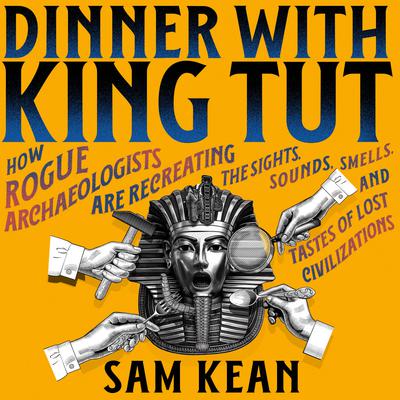
Subtitled 'How Rogue Archaeologists Are Re-creating the Sights, Sounds, Smells, and Tastes of Lost Civilizations', this is an account of human history which emphasises the human experiences of distant times and places. It begins seventy-five thousand years ago in Africa, and explores continents and cultures from Polynesia to Alaska.
Kean blends archaeological evidence and practical experiments with thoughtfully-reconstructed fictions: a day in the life of a female hunter in the Andes, of a Viking leech, of a Roman slave, of a Polynesian navigator... Each detail in the stories has a sound basis in archaeology, and Kean throws himself into experiments that attempt to recreate the realities of other times. He knaps flint, drinks beer made with ancient Egyptian techniques, tans hide using urine, and collects bruises playing the Aztec ball game. There are in-depth discussions of Roman hairdressing (and concrete), giant sloths and Viking salves.
I am not 100% convinced that this constitutes 'rogue' archaeology, and I was not as surprised as the author seemed to be by some of the discoveries: but this audiobook, read by Derek Sterling (who conveys Kean's enthusiasm for his subject very well) was a delightful listening experience, and I'll likely re-listen at some point. Also, kudos to Kean for featuring so many female characters in his vignettes of ancient life.
Read because: on offer, looked interesting, and I was intrigued by the notion of blending fiction and non-fiction.
No comments:
Post a Comment